
Welcome to
Richmond Drum Lessons.
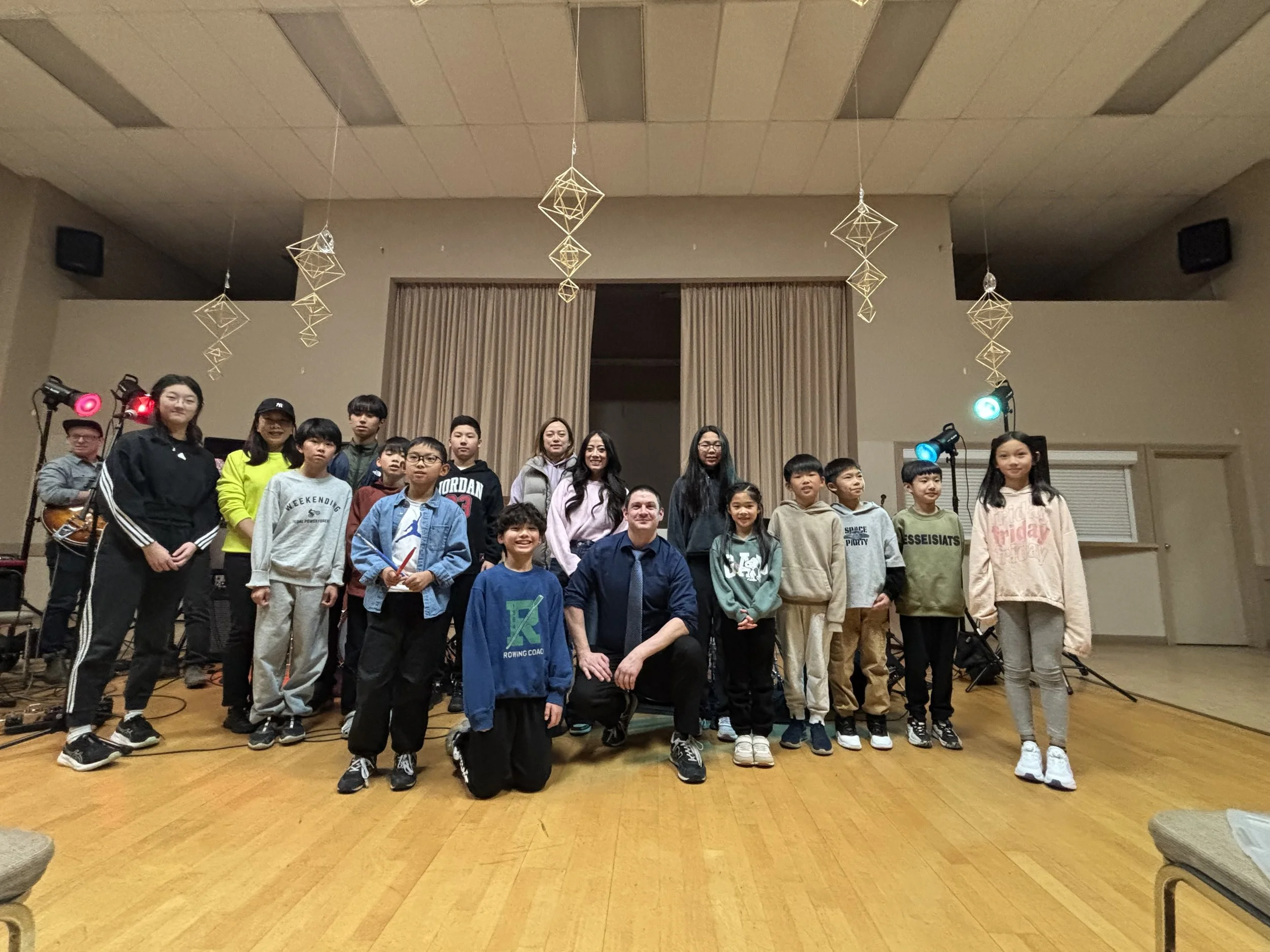
Annual Drum Recital
DRUM COVER VIDEO PROGRAM
Experiencing a recording session is the most effective ways for a drummer to improve their skills, as it forces an objective, critical, and detailed analysis of their playing that cannot be achieved during live performance. It shifts the focus from raw energy to precision, consistency, and sound quality.
Identifies Bad Habits: It exposes technical flaws, posture issues, or habits you are unaware of, allowing you to fix them.
Tracks Progress: By reviewing past recordings, you can objectively measure your growth over weeks or months, which is highly motivating.
Build Performance Confidence: Recording creates "mini" high-pressure, live performance scenario, helping you manage adrenaline, reducing stage fright.
Develops Critical Listening Skills: Regularly listening to your own recordings helps you develop a better ear, which makes you a better musician overall.
CLICK HERE TO SEE SOME OF OUR FEATURED STUDENTS PERFORMING DIFFERENT DRUM COVER
Book Your FREE Trial Today!
Prior to registering for lessons, Richmond Drum Lessons offer a Complete FREE 20-minute trial. No strings attached, no credit card required. If you prefer to speak with someone on the phone instead of filling out our form, please call (672)-338-6402
Tim Watson - Lead Instructor
A master of many drumming styles, Tim Watson has been an integral part of the Canadian music scene since 2004. Spanning the styles of Rock, Blues, Jazz, Reggae, Funk, Soul and Gospel, Tim has worked with Soul Award Winning Artists including “Dawn Pemberton”, Canadian Maple Blues Award Winning Artist “Harpdog Brown”, Guitar Youtube Sensation and Berkley Guitar Master “Jay Leonard”, Juno and Grammy Award Winning Singer, Producer and Bassist “Chin Injeti” and Hiphop Juno Award Winning Artist “Devon Martin” aka “Mr Metro”. Watson has also performed with many International artists such as Super Star “Siavash Shams”.
Tim received his Music Degree while attending Vancouver Island University. With over 25+ years of teaching experience, Tim is a dedicated drum instructor passionate about helping students of all ages and skill levels develop confidence, strong technique, and a genuine love for music. Tim is currently still
-
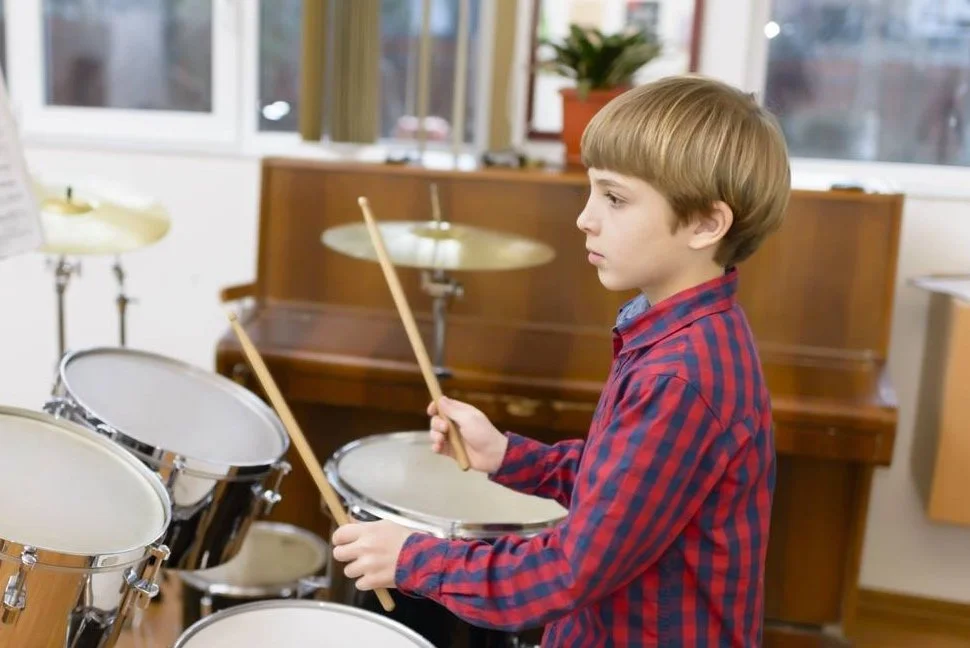
Lessons for Kids
We use a range of drum lesson programs designed to maintain children’s interest and focus with the fun part of drummer, time and groove, using easy versions of kid friendly songs.
-
Lessons for Beginner Adults
Adults are presented with fundamentals, creative explorations, and more complex themes.

-
Intermediate to Advanced
Including recitals and level tests, these lessons include groove studies in Jazz, Funk, Latin, and Reggae. Learn more advanced coordination and control of dynamics. Bringing you close to mastery.

-
Hand Drum and Percussion Lessons
Explore the language of the drum in our educational and fun learning environment. Hand drum lessons may be enjoyed individually or as part of a group with other hand drum students.

Operating Hours
Monday 9am - 8pm
Tuesday 9am - 8pm
Wednesday 9am - 8pm
Thursday 9am - 8pm
Friday 9am - 8pm
Saturday 9am - 8pm
Sunday 9am - 8pm
5564 Wallace Rd Richmond BC V7E 2C5
FAQs
-
Generally, no – you can’t teach yourself how to drum. There may be a few exceptions where a drummer achieves a high level of competence without personal mentorship or coaching, but typically there are other factors involved such as musical family members, and/or many opportunities to be playing casually with other musicians.
Generally, a new drummer needs constant feedback and input on how to improve technique, how to practice effectively, how to stay inspired and motivated, and how to push beyond the comfort zone.
Further, drumming is more than simply knowing how to physically interact with a drum set. There are complex traditions, cliches, patterns, and performance conventions that are what permit a drummer to interact with other musicians or to ‘sound’ like a particular style of music.
Someone self-teaching themselves may even be able to emulate a complex solo perfectly – but without understanding which elements were improvised, which drew on cliche, or what the drummer was likely thinking about while doing it, it’s nothing more than rote learning and likely not very transferrable.
Just as you can learn a spoken language without a tutor, you can’t learn a language without a tutor and in a vacuum.
-
The average age to start drums is between 7-8. However, there really isn’t an “average age” for drummers across the board – it’s an instrument that can be enjoyed right through life, and brings with it numerous physical benefits.
-
Drum sticks have a wooden shaft and a small, hard tip that comes directly into contact with the skin of a drum. That tip can be a plastic coating, or sometimes it’s the same wood material. It creates a very crisp and sharp attack and is the most common instrument with which drummers play their drum sets.
Drum mallets have a similar wooden shaft, however, the ends are fitted with extremely thick sleeves (1-2″ diameter is common) of felt that is packed at varying densities and tensions to achieve a variety of timbres when striking a drum. They have a much softer attack than a drum stick and tend to conjure a warmer tone.
-
Drum beats are as varied as cuisine or the dialects of a language and are literally too numerous to count. At a tribal/cultural level, beats tend to be associated with the regions they originate from, and since beats and dance are so closely related, each beat will have its own sub-set of associated dances as well. Africa and India in particular both have rich histories of rhythmic music-making which are distinct from other traditions, but within themselves can boast hundreds of sub-genres.
-
Many teachers and programs will prefer that a student take weekly lessons. And most drum students will need between 1-2 years of practice before gaining strong confidence in their abilities.
-
Learning the drums comes with its own set of unique challenges. While some may find drumming effortless to learn, others may find it very difficult – just as some may pick up piano easily, while others struggle for years.
It’s safe to say that on average, it takes less time to sound ‘competent’ on the drums as it does on some notoriously difficult instruments such as brass/woodwind or string instruments; but to achieve a top professional level, the amount of time and commitment is on par with other instruments.